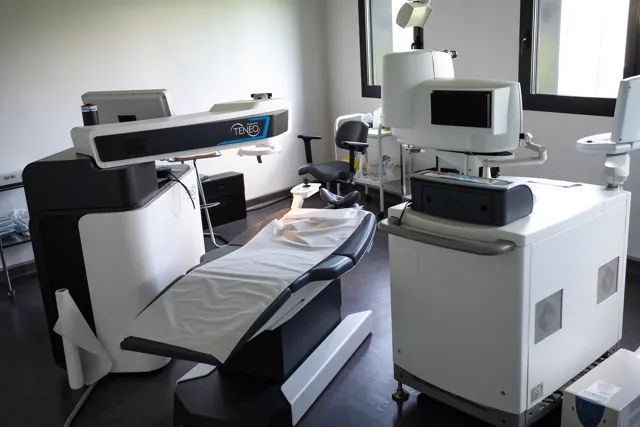
ELITA and TENEO 2: two lasers used in eye surgery
Since 2026, the laser theatre at Annecy Laser Vision in Argonay has had two devices: the Johnson & Johnson Vision ELITA femtosecond laser and the Bausch + Lomb TENEO 317 Model 2 excimer laser. These names appear in quotes (devis) and medical reports. Here is what each device does and why your surgeon chooses a technique based on your assessment. The name of the device does not determine that choice.
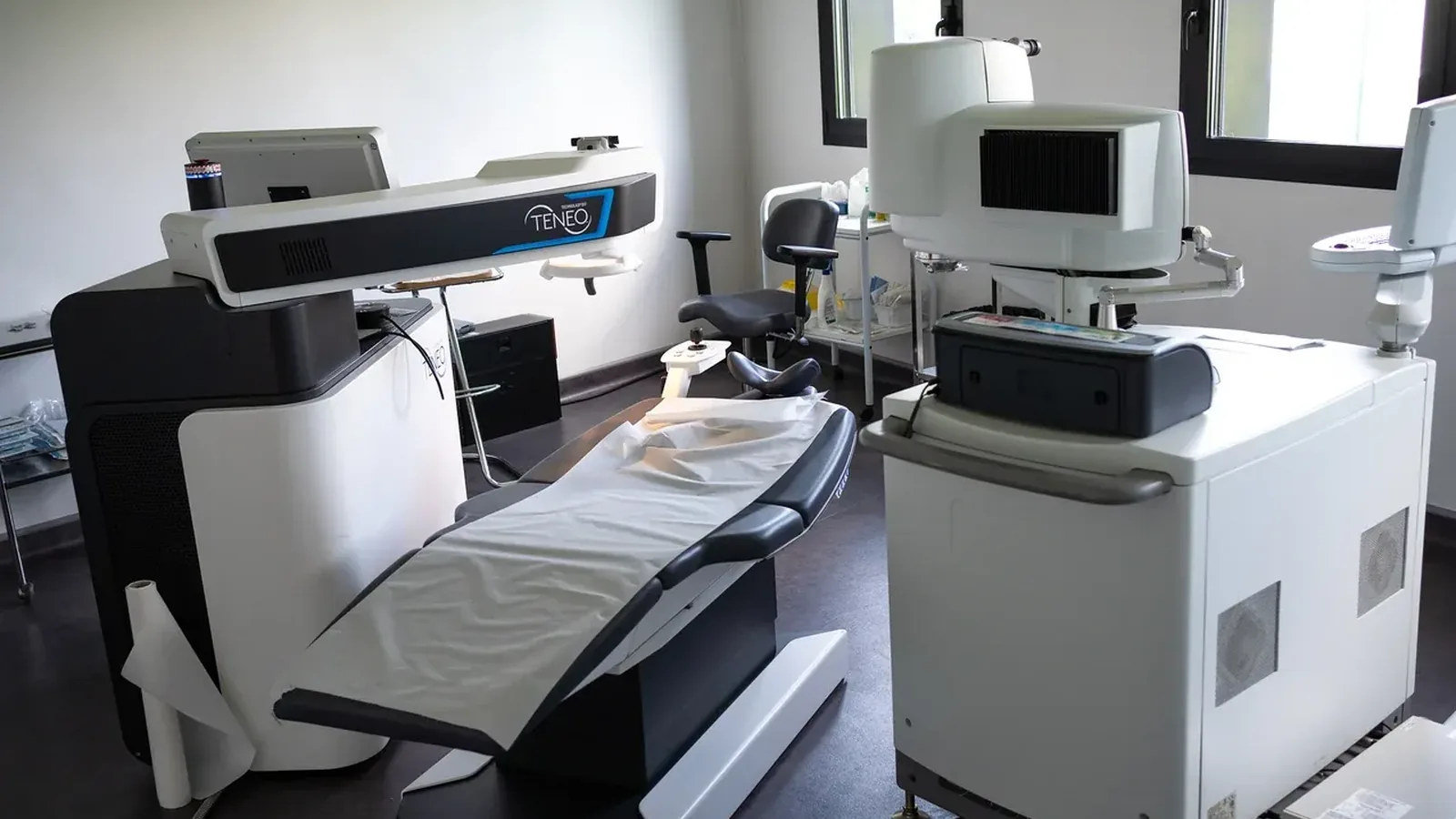
Two lasers with different roles
Corneal refractive surgery uses two physically different processes.
| Femtosecond laser (ELITA) | Excimer laser (TENEO 317 Model 2) | |
|---|---|---|
| How it works | Extremely short infrared pulses separate tissue at a chosen depth | Ultraviolet radiation vaporises a very thin layer of tissue at the exposed surface |
| What it does | Cuts a flap, a lenticule or an incision | Reshapes the cornea micron by micron |
| Procedures | LASIK (creating the flap) and SILK (lenticule extraction) | LASIK (under the flap), PRK (PKR) and transepithelial PRK (PKR) on the surface, and PresbyLASIK |
The femtosecond laser creates access or isolates a piece of tissue. The excimer laser adjusts the cornea’s focusing power. LASIK uses both lasers. The ELITA cuts the flap, which the surgeon lifts. The TENEO then reshapes the cornea underneath before the surgeon puts the flap back. PRK (PKR) uses only the excimer laser, directly on the surface. Learn about LASIK · Learn about PRK (PKR)
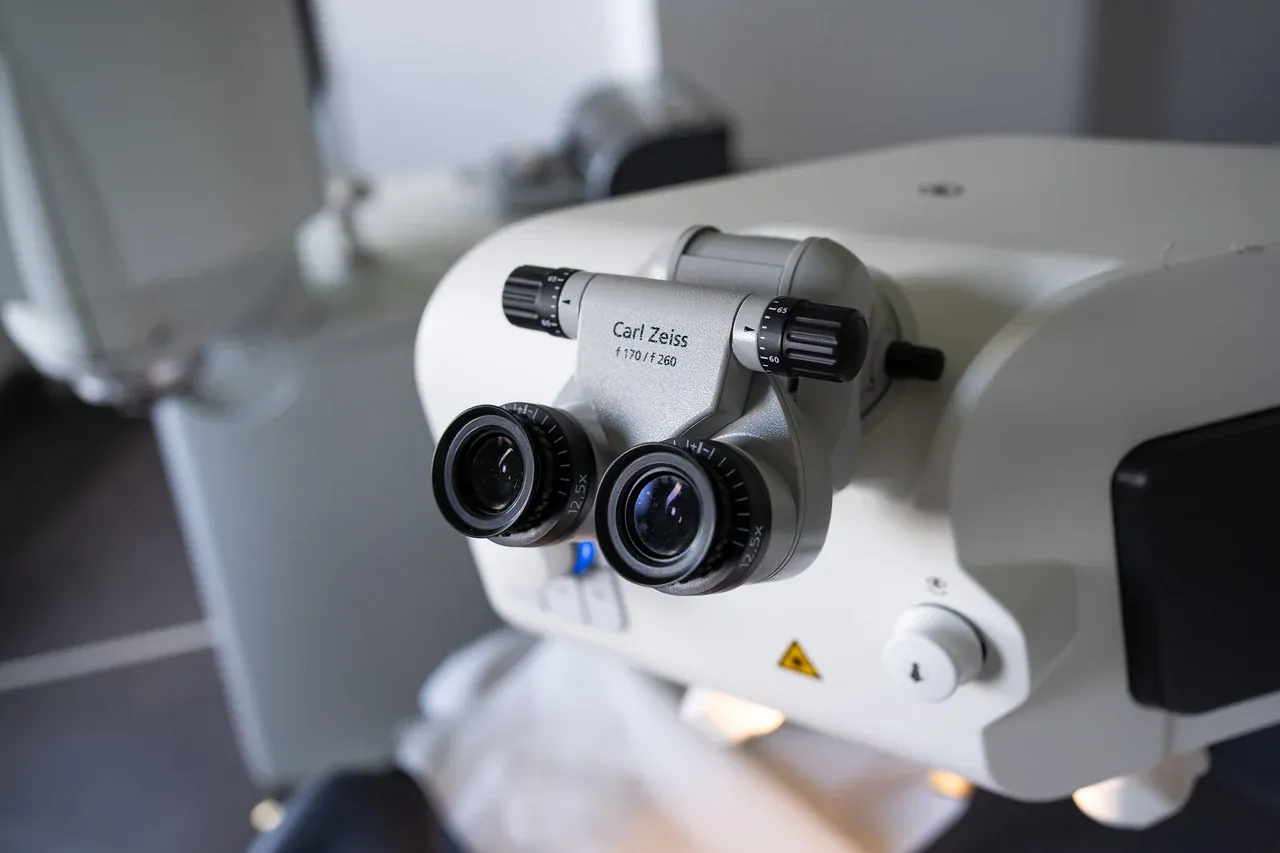
What the TENEO does during treatment
Excimer laser treatment takes around ten seconds per eye, and the eye is never completely still. The TENEO 317 Model 2 has an eye tracker that takes 1 740 measurements a second, plus iris recognition to check that the treatment lines up with the position measured at the assessment. The laser delivers 500 pulses a second.
CE marking covers the treatment of myopia, hyperopia and astigmatism, as well as the SUPRACOR treatment profile, which the centre uses for PresbyLASIK. This profile creates an area on the cornea that helps with near vision while preserving distance vision. PresbyLASIK · Presbyopia and its treatments, on annecy-ophtalmo.fr
What the ELITA does
The ELITA femtosecond laser is designed to create a LASIK flap and to cut a lenticule, a thin disc of corneal tissue removed through a small incision without creating a flap. The manufacturer calls the latter procedure SILK. Annecy Laser Vision offers SILK for myopia with or without astigmatism. In the United States, FDA clearance (file K223566, April 2023) covers flap creation. In Europe, CE marking also covers the lenticule procedure for myopia with or without astigmatism. Three types of corneal surgery
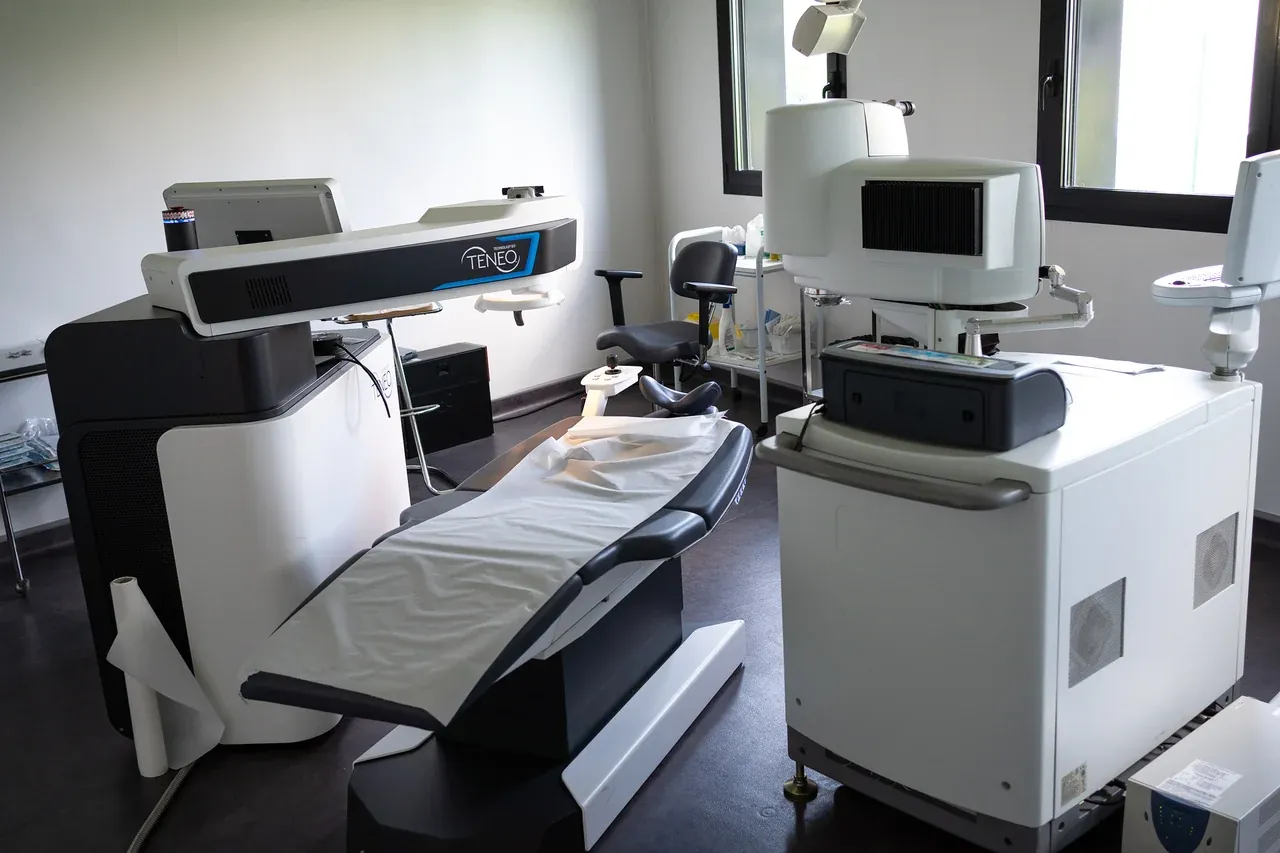
What determines which technique is suitable?
A laser carries out a treatment plan. It cannot determine whether a treatment is appropriate. Your surgeon uses the assessment to decide which technique to suggest, taking the following into account.
- Corneal thickness and shape. A thin or irregular cornea may rule out a LASIK flap and favour surface treatment or an implant.
- How strong your prescription is. Beyond certain values, taking away more tissue would weaken the cornea.
- The quality of your tears. Dry eye is more pronounced after some techniques.
- Your activities. These include the specific combat sport you practise, your need for night vision and your working conditions.
- Your age. This affects how presbyopia is addressed in your treatment plan.
Two people treated in the same room with the same devices may therefore have very different procedures. New equipment does not make an unsuitable treatment appropriate.
In summary. The ELITA cuts a flap or lenticule. The TENEO reshapes the cornea. LASIK uses both lasers, while PRK (PKR) uses only the TENEO. Your cornea, prescription and activities determine which technique is suitable. The name of the device does not determine that choice.
Frequently asked questions
Do all treatments use both lasers?
LASIK and PresbyLASIK use both. PRK (PKR) and transepithelial PRK (PKR) use only the excimer laser. SILK uses only the ELITA femtosecond laser.
Does eye tracking prevent every problem during laser treatment?
It compensates for small involuntary movements and stops the laser if the eye moves outside the allowed range. Preparation, steady fixation and the surgeon’s monitoring throughout laser delivery are still needed.
Where can I see these lasers?
Both are in the laser theatre at the Centre médical des Aravis in Argonay. The centre’s profile on annecy-ophtalmo.fr · What happens during the assessment
Sources
Related reading
All news
News
When your myopia prescription changes
Before refractive surgery, the first question is whether your myopia is stable. A laser corrects the myopia measured on the day of…
22 April 2026

News
How are refractive surgery outcomes studied?
“99 % of patients satisfied” and “10/10 vision without glasses” are the kinds of figures you often see in refractive surgery. They…
30 September 2026

News
How to read your glasses prescription
A glasses prescription may be just two rows of numbers, but it tells you the type and degree of your vision problem,…
17 December 2025
Have a question about your situation?
An assessment tells you what is and isn’t possible and allows you to get a quote.