Three types of corneal surgery explained
The cornea, the clear window at the front of the eye, provides about two-thirds of the eye's focusing power. A very slight change in its curvature can correct short-sightedness (myopia), long-sightedness (hyperopia) or astigmatism. All laser techniques have this aim. They treat different parts of the cornea, which changes the recovery, risks and suitability of each procedure.
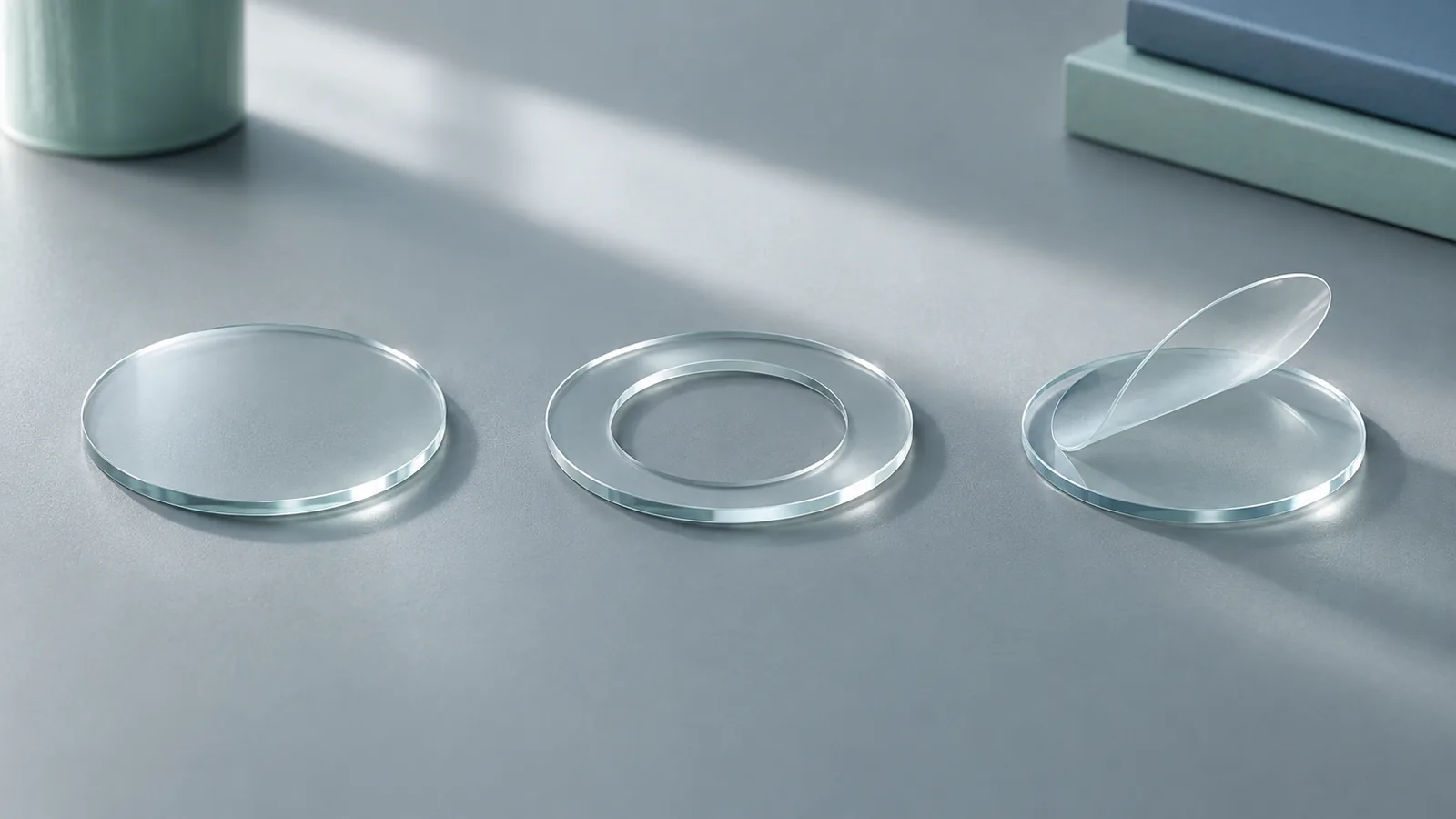
Three parts of the cornea that matter for surgery
Three structures help explain how these procedures differ.
- The epithelium is the surface layer. It is about 50 microns thick and renews itself in a few days.
- The stroma makes up most of the cornea and gives it strength. It is the part the laser reshapes.
- The corneal nerves pass through the stroma and help control tear production.
A normal cornea is about half a millimetre thick in the centre. When correcting myopia over a typical treatment zone, each dioptre of correction removes around 10 to 15 microns of stroma. The initial thickness therefore limits how much correction is possible.
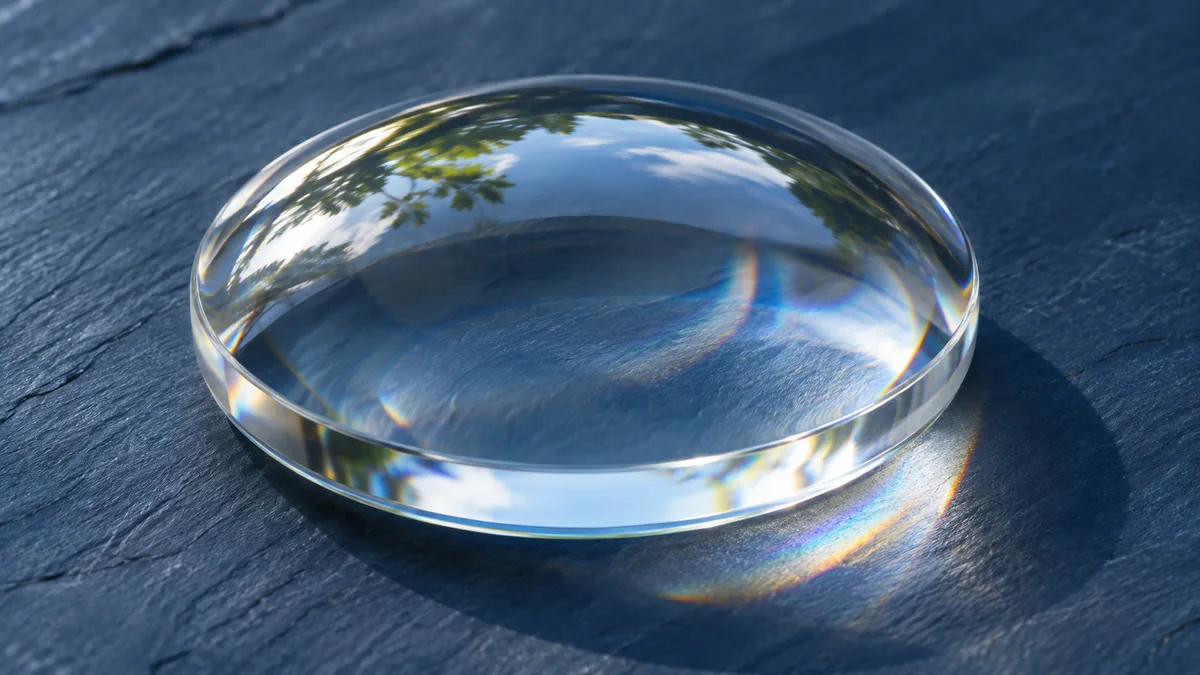
Comparing the techniques
| PRK (PKR, surface treatment) | LASIK (flap) | Lenticule extraction (SILK) | |
|---|---|---|---|
| Where the laser works | Directly on the stroma after removing the epithelium | Under a flap cut with a femtosecond laser, about 100 to 120 microns deep | A lenticule is cut in the stroma and removed through an incision a few millimetres long |
| Lasers used | Excimer | Femtosecond, then excimer | Femtosecond only |
| First few days | Pain or discomfort for 2 to 3 days, with blurred vision until the epithelium heals | Functional vision often returns by the next day | Recovery time falls between the other techniques and is often quick |
| Vision problems corrected | Myopia, hyperopia, astigmatism | Myopia, hyperopia, astigmatism, presbyopia (PresbyLASIK) | Moderate myopia with mild astigmatism |
| Specific risks or limitations | Healing opacity (haze), especially with strong corrections or UV exposure | Flap complications, such as folds or displacement after a blow | Further correction is technically more complex |
| When it is often considered | A slightly thin cornea or certain combat sports with frequent blows to the face | A need for quick recovery, hyperopia or presbyopia | Stable myopia without hyperopia |
PRK (PKR): the oldest technique, still in use
In PRK (PKR), the surgeon removes the epithelium mechanically or with a laser (transepithelial PRK, or PKR), then uses an excimer laser to reshape the surface. A bandage contact lens stays in place for a few days. The absence of a flap is an advantage for people with slightly thin corneas or those at risk of being hit in the eye. Recovery is slower and more uncomfortable. At the centre, patients go back to work after 3 to 5 days on average. Find out more about PRK (PKR)
LASIK: the most widely used technique
A femtosecond laser cuts a very thin flap, which the surgeon lifts like the page of a book. An excimer laser treats the cornea underneath. The flap is then put back and adheres without stitches. The quick recovery explains why the technique is widely used. The flap never reaches the strength of an intact cornea and can shift after a severe blow, even years later. Find out more about LASIK
Lenticule extraction: no flap or surface reshaping
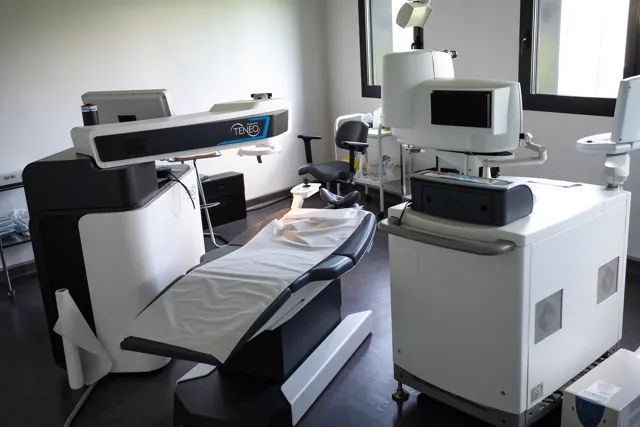
A femtosecond laser cuts a thin disc of tissue, called a lenticule, within the cornea. The surgeon removes it through a small incision. The procedure has different brand names depending on the laser platform: SMILE for ZEISS and SILK for the Johnson & Johnson ELITA laser. Annecy Laser Vision uses SILK with the ELITA laser. It corrects moderate myopia with mild astigmatism. The surface and most nerves are preserved, but any further correction is more complex than with LASIK. ELITA and TENEO 2: two devices used in your laser treatment

What determines which technique is suitable?
A general preference for one technique cannot settle the choice. It depends on precise measurements taken at your assessment.
- Corneal thickness and the thickness remaining after treatment. The surgeon checks that enough stroma will remain beneath the treated area to prevent the cornea from changing shape later (ectasia). Common guidelines call for a minimum of around 250 to 300 microns.
- Corneal shape. If corneal topography suggests early keratoconus, LASIK is contraindicated and laser treatment often has to be ruled out. What does corneal topography measure?
- Your prescription. For severe myopia or hyperopia, an implant may be suggested instead of laser treatment. Phakic implants
- Your tears, activities and age affect long-term comfort and help determine how presbyopia fits into your treatment plan.
In summary. PRK (PKR) treats the surface and has a slower recovery. LASIK works under a flap and recovery is quick, but the flap needs protection from impacts. Lenticule extraction removes a piece of corneal tissue through a small incision and is limited to myopia. Your assessment determines which option is suitable.
Frequently asked questions
Does one technique give better vision than the others?
When the procedures are equally suitable, large studies report similar visual results after a few months. The main differences are in the first few days, comfort and the specific risks.
Can you have a further correction after laser surgery?
Yes, in most cases, if the cornea is thick enough. The surgeon treats the surface or lifts the flap after LASIK.
Do these techniques correct presbyopia?
PresbyLASIK treats presbyopia by reshaping the cornea. From about 55 to 60 years of age, surgery on the natural lens may be more suitable. PresbyLASIK
Check your eligibility to find out which type of surgery may suit you.
Sources
Related reading
All news
News
World Sight Day: when to get your eyes checked
On the second Thursday of October each year, World Sight Day reminds us of a figure that is easy to forget. The…
8 October 2026

News
Contact lenses: what to tell your surgeon at the assessment
If you wear contact lenses, the main thing to do before a refractive surgery assessment is to stop wearing them in good…
13 March 2026
News
What the axis means on your glasses prescription
On a glasses prescription, the axis can be the most puzzling number: 5°, 90°, 175° and so on. It gives the direction…
3 July 2026
Have a question about your situation?
An assessment tells you what is and isn’t possible and allows you to get a quote.