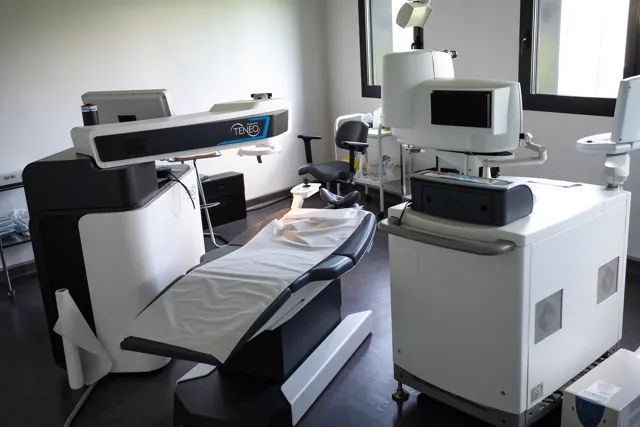
Returning to exercise after eye surgery
For many patients, sport is the reason they consider refractive surgery. They want to run without slipping glasses, see the bottom of the pool or climb without dry contact lenses. Timing the return matters. The two main risks to avoid are a blow to a healing eye and infection linked to water or sweat. These are typical timings to discuss with your surgeon.
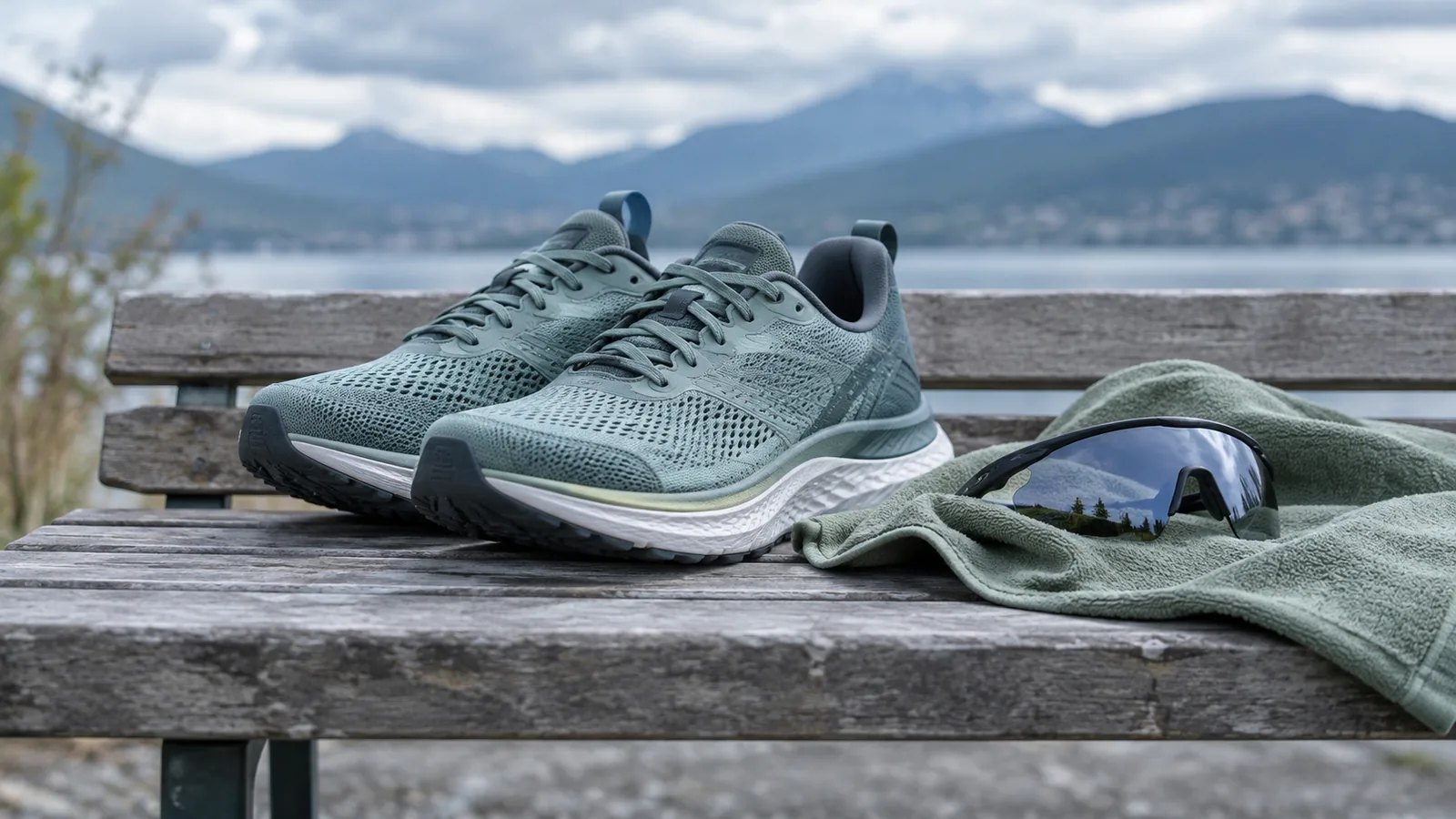
Three types of risk
Different activities pose different risks to an eye that has recently had surgery.
- Sweat and dust. Running, cycling and gym workouts may make you want to rub your eyes.
- Water. Swimming in a pool, lake or sea and taking part in water sports increase the risk of infection.
- Impacts. Ball, racket and combat sports as well as activities such as skiing can result in direct blows to the eye.
The higher the risk of impact or water exposure, the longer you need to wait.
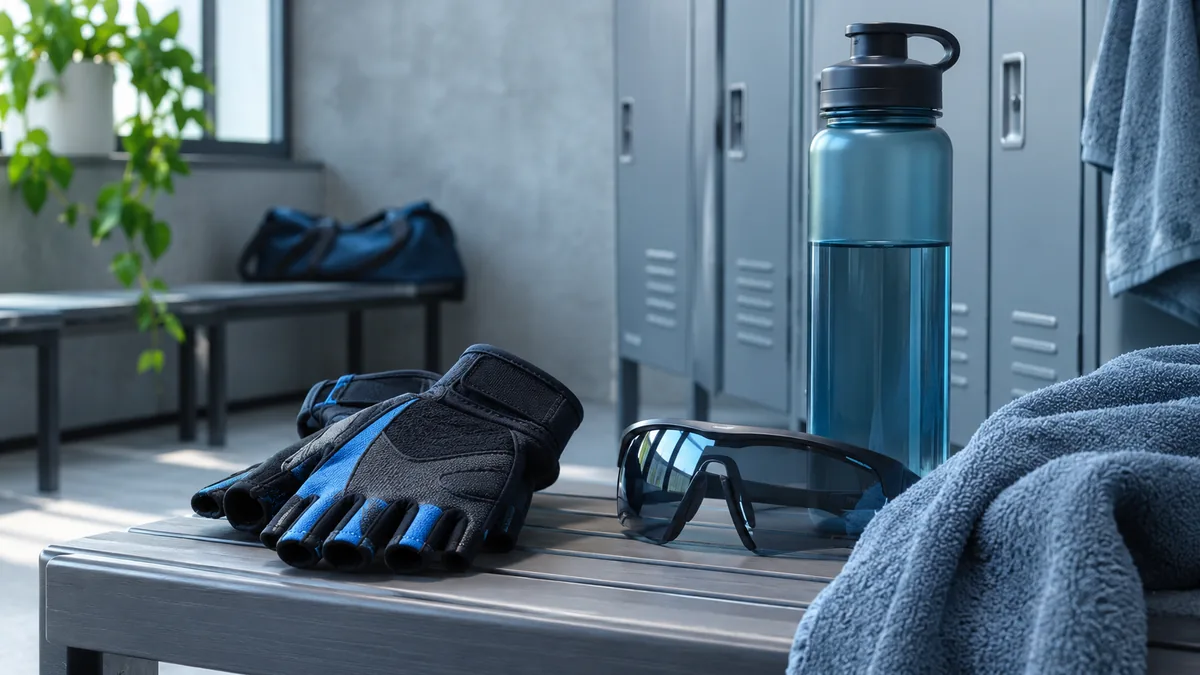
Typical timings
At the centre, patients usually return to sport two to three weeks after surgery, with their surgeon’s approval. The table gives the approximate timings normally advised. Always follow the written instructions given to you on the day of surgery.
| Activity | After LASIK | After PRK (PKR) |
|---|---|---|
| Walking and stretching | From the first few days | As soon as discomfort allows |
| Running, cycling and gym workouts | A few days after surgery if there is no risk of impact, with protective glasses against sweat and dust | A few days later, once the surface has healed, provided there is no risk of impact |
| Swimming and water sports | Allow around three weeks, then wear swimming goggles | Several weeks, with approval at the follow-up |
| Ball and racket sports | Two to four weeks, with protective eyewear advised | Two to four weeks |
| Combat sports and rugby | At least one month, with protection. Discuss the specific sport at your assessment | At least one month |
| Skiing | Gentle skiing may be possible after a few days with goggles, then build up to more demanding skiing gradually | A little later than after LASIK, with strict UV protection |
Why impacts need particular care after LASIK
In LASIK, a corneal flap is cut and put back in place. It adheres quickly but never reaches the strength of an intact cornea. A severe direct blow, such as a finger in the eye during judo or a squash ball, can displace it even years after surgery. A displaced flap needs urgent repositioning. There is a good chance of recovery if it is treated quickly.
The risk varies with the combat sport. Frequent, heavy blows to the face occur in boxing, MMA and full-contact sports. They are rarer or controlled in judo, non-contact karate and fencing with a mask. If your sport carries a high risk of being hit, this can be discussed before choosing a technique. A flap-free technique such as PRK (PKR) may be considered, with a slower recovery. In other cases, the choice depends mainly on your cornea and prescription. At your assessment, describe your sport and level in detail. Three types of corneal surgery · Learn about PRK (PKR)
Specific activities
Scuba diving. The pressure from the mask is even and poses no risk to a healed cornea, but seawater exposure means waiting for your surgeon’s approval, usually several weeks. Mention diving at your assessment.
Sport at altitude. Glacier hiking, mountaineering and ski touring expose you to intense UV and cold, dry air. After PRK (PKR), sun protection is essential for several months. Skiing and refractive surgery
Competition. If you have an important event coming up, give the date at your assessment. It is often easier to schedule surgery after the season than between events.
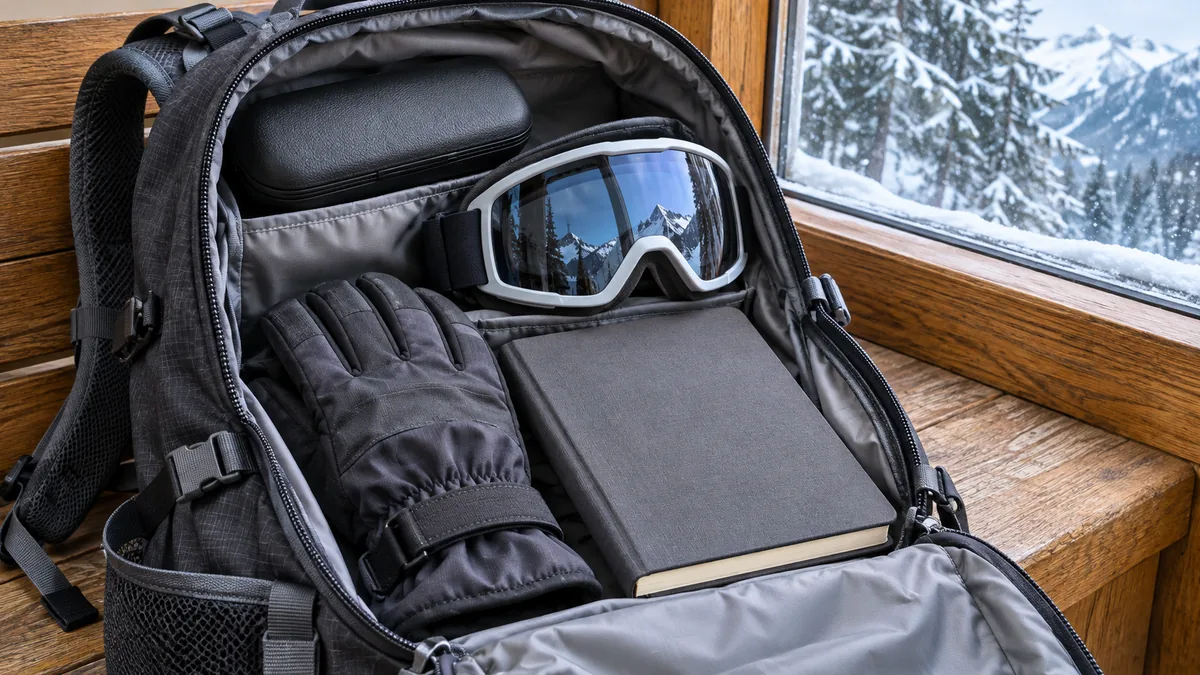
Questions to ask at the follow-up
- How long should I wait for my sport at the level I take part in, whether recreationally, competitively or as an instructor?
- What protection should I wear, and for how long?
- Can I train indoors before returning to outdoor exercise?
- What symptoms mean I need to stop and call?
When to call
Call if pain or redness increases, vision drops after initially improving, you develop new light sensitivity, or the operated eye takes a direct blow. On weekdays, call reception. Outside opening hours, dial 15 in France. Advice after eye surgery, on annecy-ophtalmo.fr
In summary. Generally, allow two to three weeks before returning to sport, and longer for combat sports and activities in water. The LASIK flap remains vulnerable to severe impacts. If you take part in a combat sport involving frequent blows to the face, mention it at your assessment. Wear suitable protection when you resume.
Frequently asked questions
Can I do activity that makes me sweat in the first week?
Sweat irritates the eyes and makes you want to rub them, which you should avoid. A headband and sports glasses help during gentle activity.
Will I need to wear protective glasses for life?
Eye protection is recommended for everyone taking part in sports with a risk of impact, including people who have had surgery. It also protects against other eye injuries.
I had surgery years ago. Is the flap still vulnerable?
It remains less resistant than an intact cornea to a severe impact. Always mention previous LASIK after an eye injury.
If you have any questions about your follow-up, contact reception or see what follow-up involves.
Sources
Related reading
All news
News
Alcon 2024 presbyopia consensus: Dr Baudin and Dr Béchet
Dr Florian Baudin and Dr Lorane Béchet, ophthalmologists at the eye practice at centre médical des Aravis and at Annecy Laser Vision,…
29 September 2024

News
What does corneal topography measure?
Of all the tests in a refractive surgery assessment, corneal topography is probably the most important. It shows whether your cornea is…
11 September 2026

News
Annecy Laser Vision’s summer 2024 satisfaction survey
In summer 2024, we surveyed 284 patients who had undergone refractive surgery. We received 93 responses. Here is what they said about…
6 September 2024
Have a question about your situation?
An assessment tells you what is and isn’t possible and allows you to get a quote.