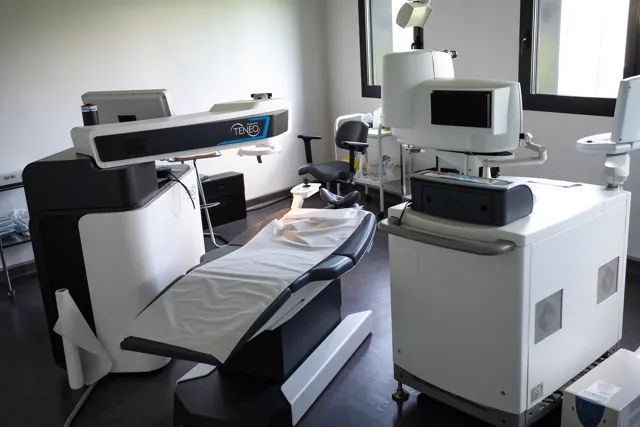
Skiing and refractive surgery: what to ask before a trip
In Haute-Savoie, the same question comes up every winter. Can you have eye surgery during the season and keep skiing? Yes. Refractive surgery can be scheduled throughout the season, provided you take some precautions, which you should discuss with your surgeon. Three things matter in the mountains: the risk of a fall or impact, UV exposure on snow, and cold, dry air, which worsens dry eye in the first few weeks.
How soon after surgery can I ski again?
The break from skiing is shorter than you might think. The centre usually schedules operations towards the end of the week so that you can recover over the weekend. You may be able to return to gentle skiing after a few days, on familiar runs, at your own pace and with goggles. Return to more demanding skiing (speed, off-piste, moguls or racing) gradually, following your surgeon’s advice at the follow-up visit.
The choice of technique makes most difference in the first few days.
| LASIK | PRK (PKR) | |
|---|---|---|
| What the surgeon does | Creates a corneal flap with a femtosecond laser, then reshapes the cornea underneath with an excimer laser | Reshapes the surface of the cornea directly after removing its outer layer (the epithelium) |
| First few days | Functional vision often returns by the next day | Discomfort and blurred vision while the epithelium heals. Return to work takes 3 to 5 days on average |
| What to watch out for when skiing | A direct blow to the eye can displace the flap, even long after surgery | Strict sun protection for several months, as UV exposure promotes healing opacity (haze) |
Compare LASIK · Learn about PRK (PKR)
Tell your surgeon the dates of your planned ski outings and trips. They will tell you when you can go back and what precautions to take. After PRK (PKR), vision takes a few more days to settle, so a gentle return to skiing comes a little later than after LASIK. Ask specifically about ski touring, freeriding or racing.
Why your eyes need extra care in the mountains
UV exposure. According to the World Health Organization, UV intensity increases by about 10 % for every 1 000 metres of altitude, and fresh snow can reflect up to 80 % of it. On a sunny slope at 2 000 metres, your eyes receive a substantially higher dose than on a day in town. After PRK (PKR), this is the main reason for extended protection. After LASIK, the main effect is increased glare in the first few weeks.
Cold, wind and dry air. Temporary dry eye is common after refractive surgery. In the FDA’s PROWL studies, about 28 % of patients who had no dry eye symptoms before LASIK reported them at three months. Wind on the way down, cold and dry air on the lifts make symptoms worse. Keep your prescribed artificial tears in an inside pocket, away from your bag in the locker, and put the drops in before you go out.
Flat light. In a whiteout, the contours of the slope disappear. In the weeks after surgery, some people notice more halos or poorer contrast in low light. This is a poor time to try an unfamiliar black run in fog.
Goggles or sunglasses? What to pack
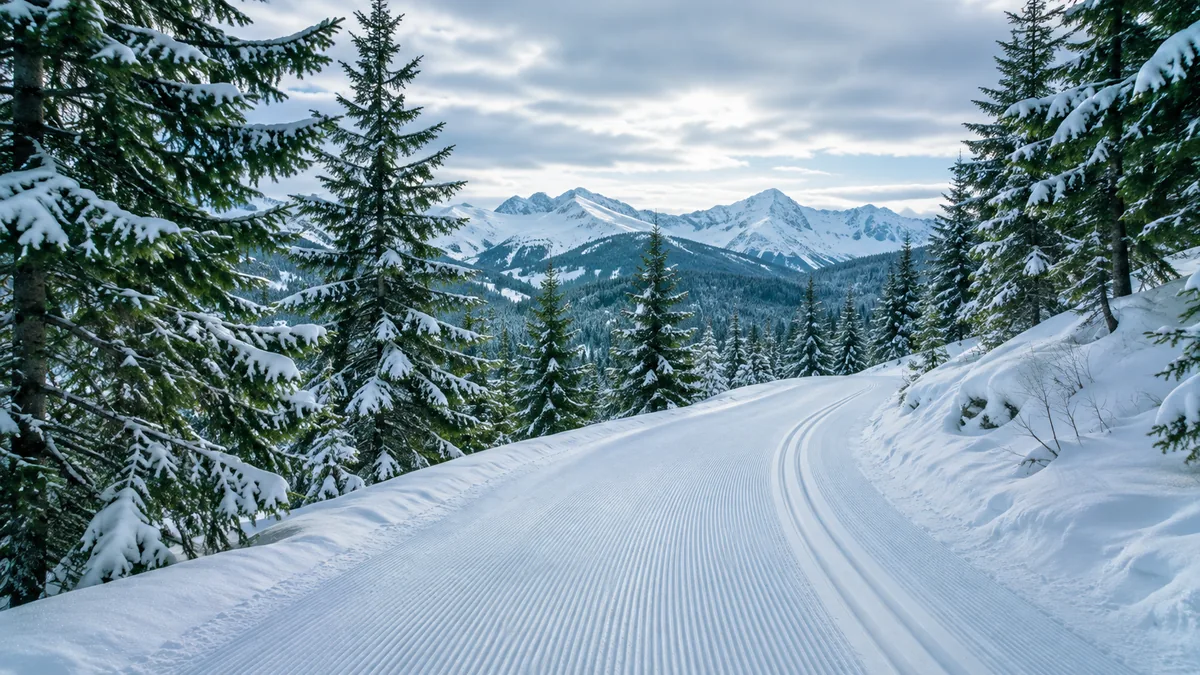
Goggles are preferable to sunglasses for your first outings. They offer better coverage against wind, flying snow and branches in wooded areas. Choose a category 3 lens for sunshine and keep a clear or category 1 lens for whiteout conditions. Category 4 lenses are suitable for very bright conditions high in the mountains, but must not be worn when driving. Pack another pair for the drive home.
Goggles protect against wind, cold and flying particles. They cannot protect your eye against a severe impact. At your follow-up visit, ask separately about which equipment to take and when you can get back to each type of skiing.
What to pack for a trip in the weeks after surgery
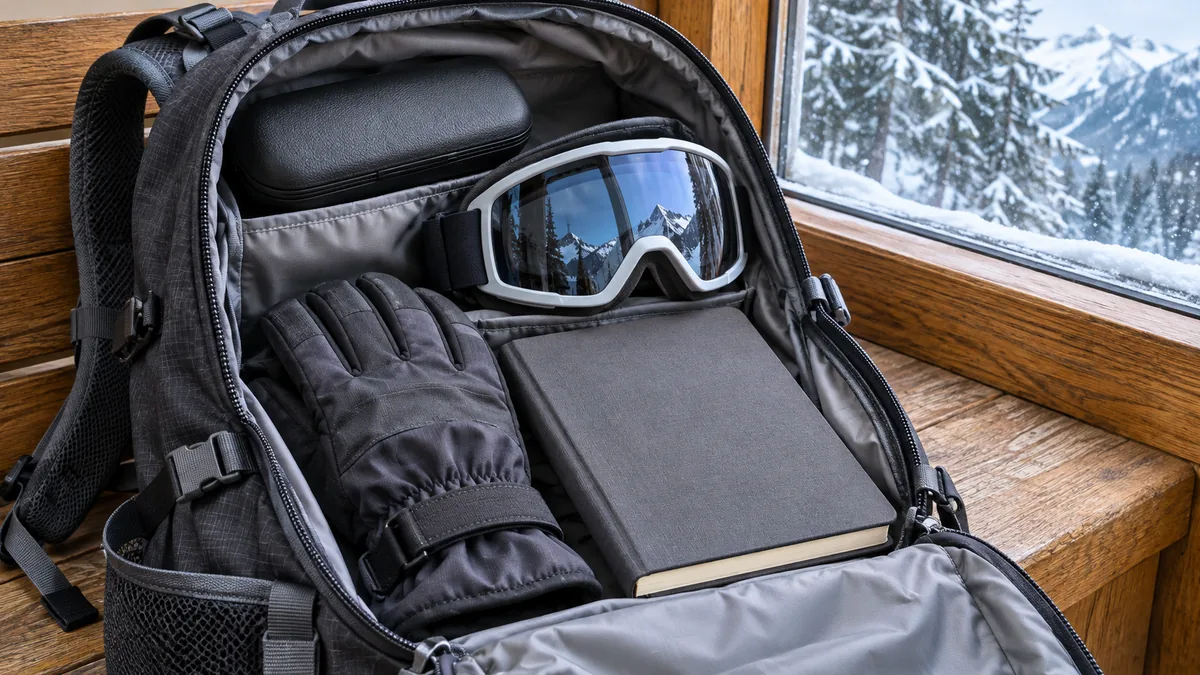
- your prescribed eye drops, enough to last the whole trip, and your prescription
- preservative-free, single-dose artificial tears, which are easier to use outdoors
- your night-time eye shield if you were given one
- goggles with a clear lens and a sun lens, plus sunglasses suitable for driving
- the Annecy Laser Vision reception number (04 50 01 86 90, Monday to Friday) and the date of your next follow-up
If you are going far from Annecy, ask before you leave who can examine you locally if a problem arises. It is easier to find out in advance than on a Saturday evening at the resort.
When to call straight away
Watch for pain that gets worse instead of easing, increasing redness, a drop in vision after an initial improvement, new light sensitivity or a direct blow to the operated eye. On weekdays, call reception. Outside opening hours, dial 15 in France. After a blow to an eye that has had LASIK, have it examined even if the discomfort seems mild. A displaced flap is easier to reposition when treated early.
General advice after eye surgery, on annecy-ophtalmo.fr
In summary. Refractive surgery can take place throughout the ski season. You may be able to return to gentle skiing after a few days, wearing goggles and following your surgeon’s advice. Build up to more demanding skiing gradually. After PRK (PKR), keep protecting your eyes from UV reflected off the snow for several months.
Frequently asked questions
Do I need to wait until the end of the season for surgery?
Surgery can take place throughout the season. Discuss UV protection, goggles, a gradual return to skiing and artificial tears with your surgeon. Mention your plans at the eligibility assessment.
I am a ski instructor or ski patroller. Does the technique make a difference?
Your job alone does not determine which technique is suitable. The choice depends mainly on your prescription, the thickness and shape of your cornea, and the quality of your tears. At your assessment, say how many days you spend at altitude, how much sun and cold you are exposed to and when you hope to return to work. Your surgeon will tailor the schedule and precautions to you.
Can I ski in contact lenses while waiting for surgery?
Yes. At the centre, you need to stop wearing soft lenses at least one week before the assessment and rigid lenses at least three weeks before. If the assessment follows a ski trip, pack your glasses for the last few days. Contact lenses and your assessment: what to mention
Contact reception to arrange your assessment or follow-up.
Sources
Related reading
All news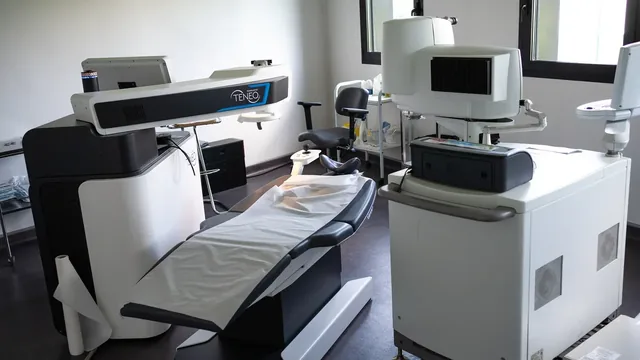
News
ELITA and TENEO 2: two lasers used in eye surgery
Since 2026, the laser theatre at Annecy Laser Vision in Argonay has had two devices: the Johnson & Johnson Vision ELITA femtosecond…
29 January 2026
News
How are refractive surgery outcomes studied?
“99 % of patients satisfied” and “10/10 vision without glasses” are the kinds of figures you often see in refractive surgery. They…
30 September 2026

News
Annecy Laser Vision’s summer 2024 satisfaction survey
In summer 2024, we surveyed 284 patients who had undergone refractive surgery. We received 93 responses. Here is what they said about…
6 September 2024
Have a question about your situation?
An assessment tells you what is and isn’t possible and allows you to get a quote.