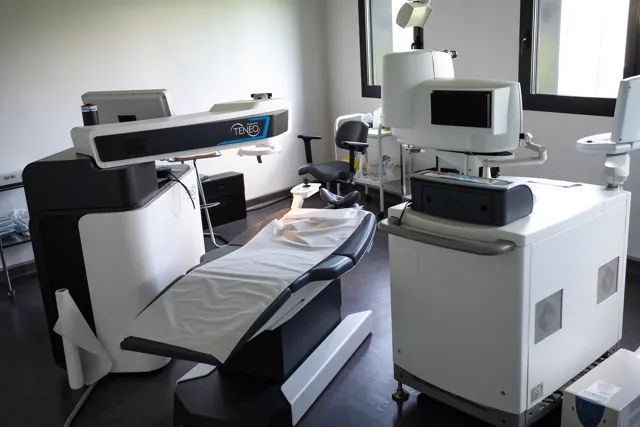
Swimming in contact lenses: precautions to know
Between Lake Annecy, the swimming pool and holidays by the sea, contact lens wearers face the same question every summer. Health authorities give clear advice: keep contact lenses away from all water, whether from a tap, pool, lake or the sea. Here is why, what to do if you swim in your lenses anyway and what changes after refractive surgery.
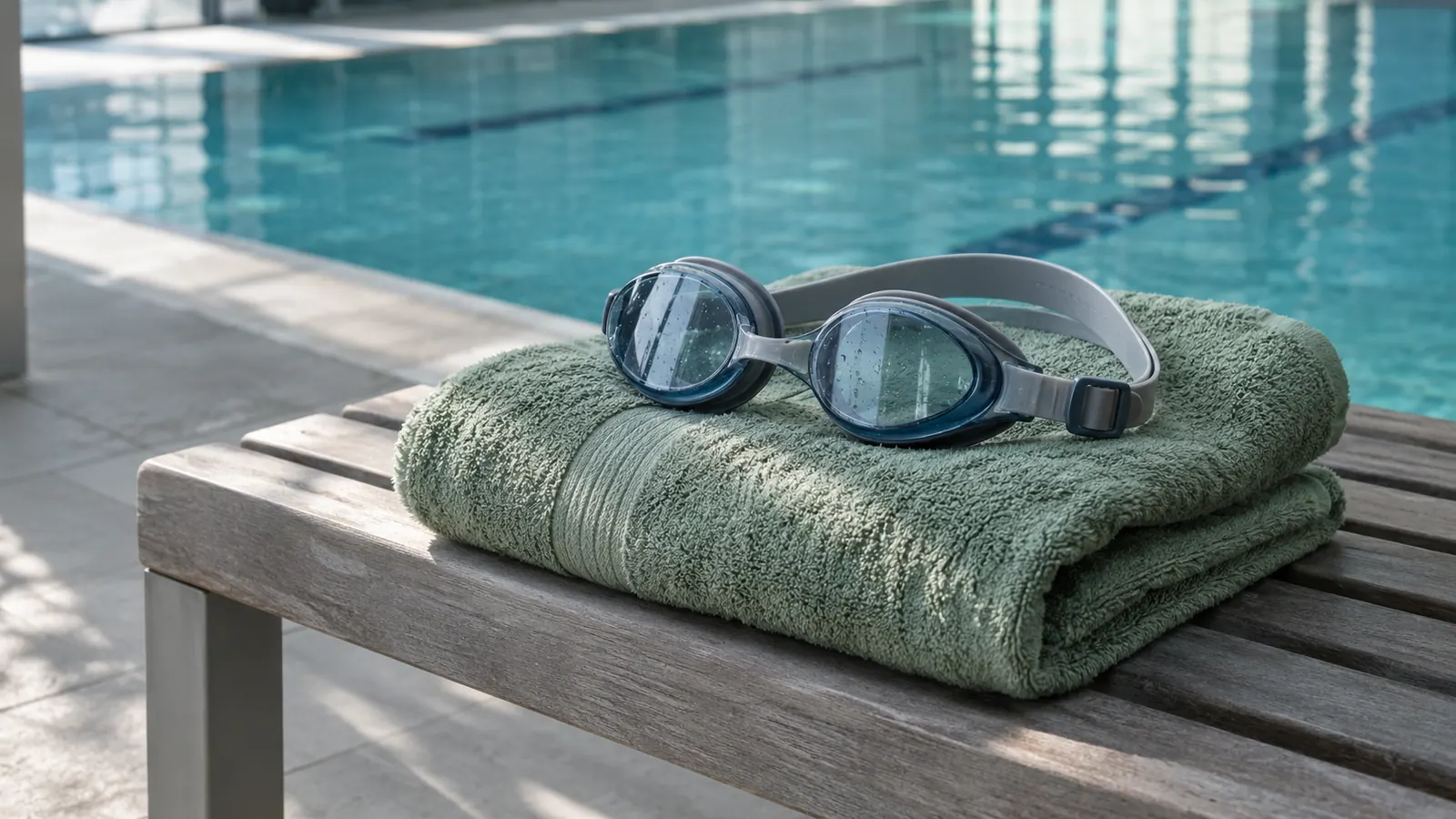
Why water and contact lenses do not mix
A soft lens acts like a sponge and absorbs the water it sits in, along with whatever is in it. Fresh water, including tap, lake and pool water, naturally contains an amoeba called Acanthamoeba. It can attach to a contact lens and then to the cornea, causing amoebic keratitis. The infection is rare but serious. It is very painful, takes a long time to treat, can scar the cornea and sometimes requires a transplant. The vast majority of cases affect contact lens wearers.
Chlorine in pools does not eliminate this amoeba, and seawater exposes you to other germs. There is a risk in every setting.
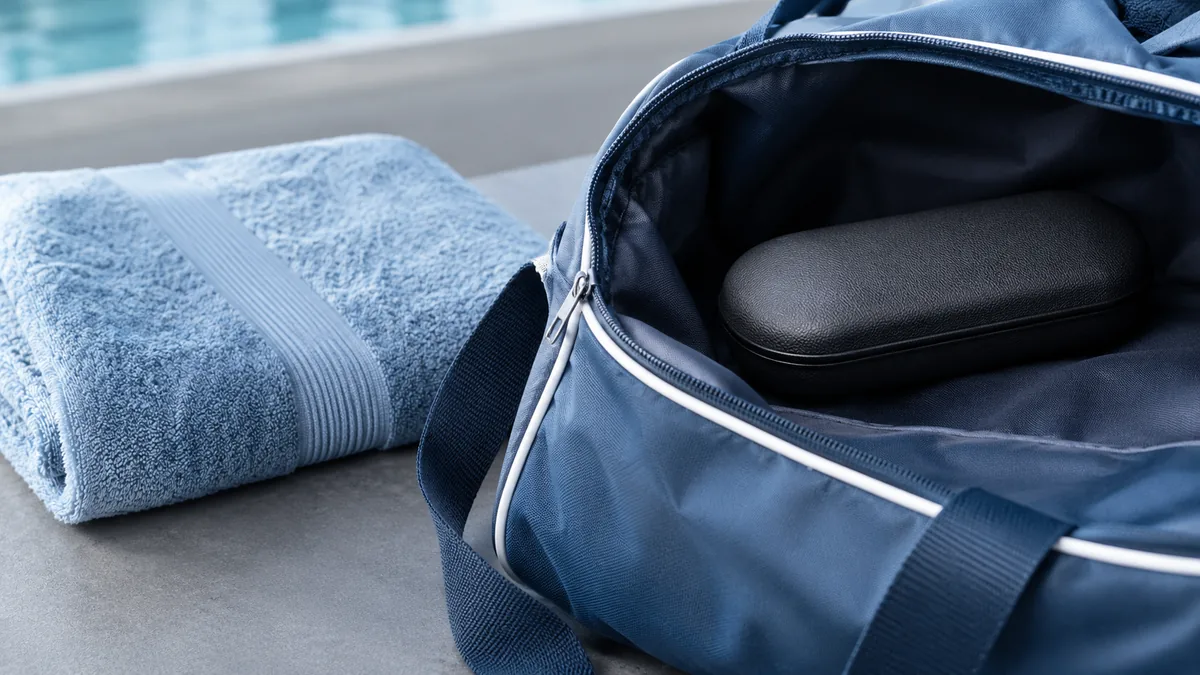
If you swim in your contact lenses
Avoid wearing contact lenses in water if possible. If you have to wear them, take these steps to reduce the risk.
- Wear watertight swimming goggles or a well-fitting mask to reduce contact with water. Some water can still get in.
- Choose daily disposable lenses and throw them away as soon as you get out of the water.
- Keep monthly lenses that have come into contact with water out of the case. Throw them away.
- Keep your eyes closed when diving if you are not wearing protection.
- Take your contact lenses out immediately if an eye turns red, hurts or becomes sensitive to light. Seek prompt care and mention the lenses and swimming.
Prescription swimming goggles are a practical alternative. They come in a wide range of powers and let you see underwater without contact lenses.
When to get medical help
After swimming in contact lenses, seek prompt care if you have unexpectedly severe eye pain, redness that persists after removing your lenses, blurred vision or marked light sensitivity. Keep your lenses out in the meantime. Red eye, on annecy-ophtalmo.fr · Eye emergencies
When can I swim after refractive surgery?
One benefit of refractive surgery is being able to swim without contact lenses. Your eye first needs time to heal. Your surgeon will give you specific instructions. The usual timings are as follows.
| Procedure | Pool, lake or sea | Reason |
|---|---|---|
| LASIK | About three weeks | The flap must adhere, and the area beneath it must be protected from germs |
| PRK (PKR) | Wait until the epithelium has fully healed, often several weeks | The surface of the cornea is regrowing |
| Any technique | Avoid hot tubs and hot baths for longer | Warm, standing water contains more germs |
With any technique, keep water and soap out of your eye when showering in the first few days. Do not rub your eyes when you get out of the water. Swimming goggles are recommended for several weeks after you start swimming again. Advice after eye surgery, on annecy-ophtalmo.fr · Returning to exercise after surgery
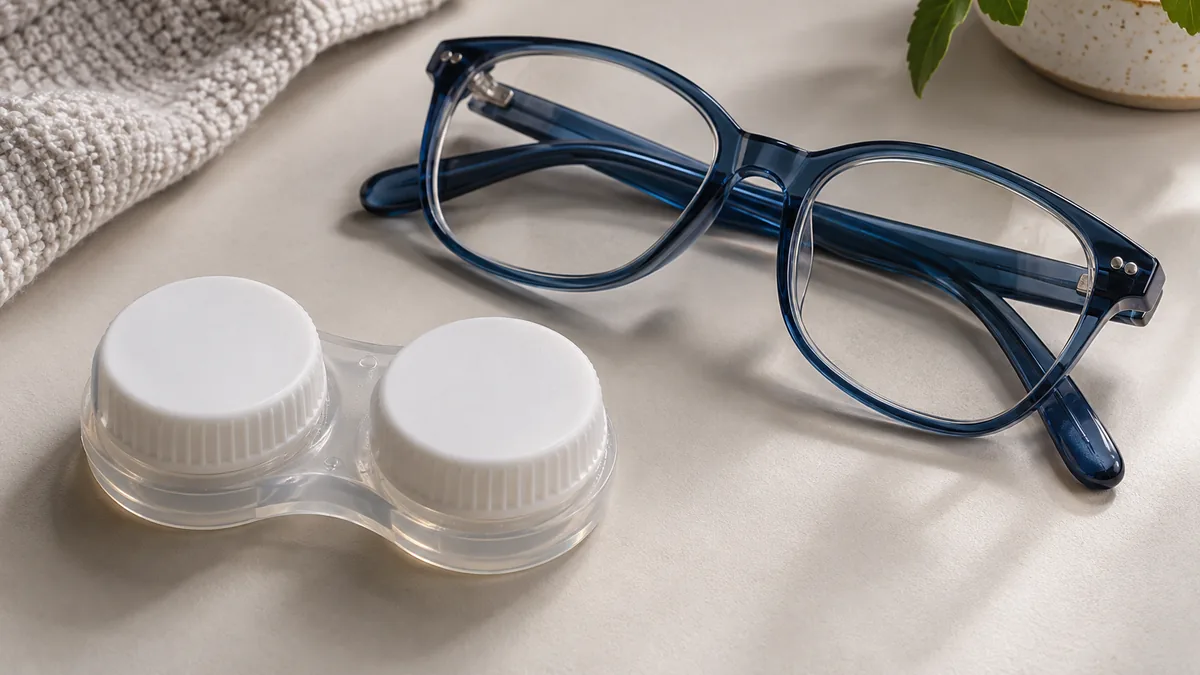
The lake, sunshine and dry eye
A summer by the lake adds two factors: reflected sunlight from the water and dry or windy air. After PRK (PKR), sun protection is especially important for several months. Temporary dry eye is common after any technique. Keep your artificial tears to hand at the beach.
In summary. Do not swim in contact lenses. If you do, wear watertight goggles and throw the lenses away as soon as you get out. Allow about three weeks before swimming after LASIK and longer after PRK (PKR), and follow your surgeon’s written instructions.
Frequently asked questions
Do daily disposable lenses remove the risk?
They reduce the risk because you throw them away after swimming, without putting them back in a case. Exposure to water while you are swimming still carries a risk.
Can I shower in contact lenses?
It is better to take them out. Tap water can also contain Acanthamoeba.
Will chlorine damage my cornea after laser surgery?
Chlorine irritates the surface of the eye, particularly in the first few weeks. Once your surgeon says you can swim again, goggles will help reduce irritation.
Contact reception with questions about your follow-up.
Sources
Related reading
All news
News
How to read patient satisfaction survey results
In October 2025, 188 people who had surgery at Annecy Laser Vision answered our satisfaction survey, and 94.3 % said they were…
19 November 2025
News
Three types of corneal surgery explained
The cornea, the clear window at the front of the eye, provides about two-thirds of the eye's focusing power. A very slight…
6 February 2026
News
What does corneal topography measure?
Of all the tests in a refractive surgery assessment, corneal topography is probably the most important. It shows whether your cornea is…
11 September 2026
Have a question about your situation?
An assessment tells you what is and isn’t possible and allows you to get a quote.