Soft contact lenses, rigid contact lenses and glasses
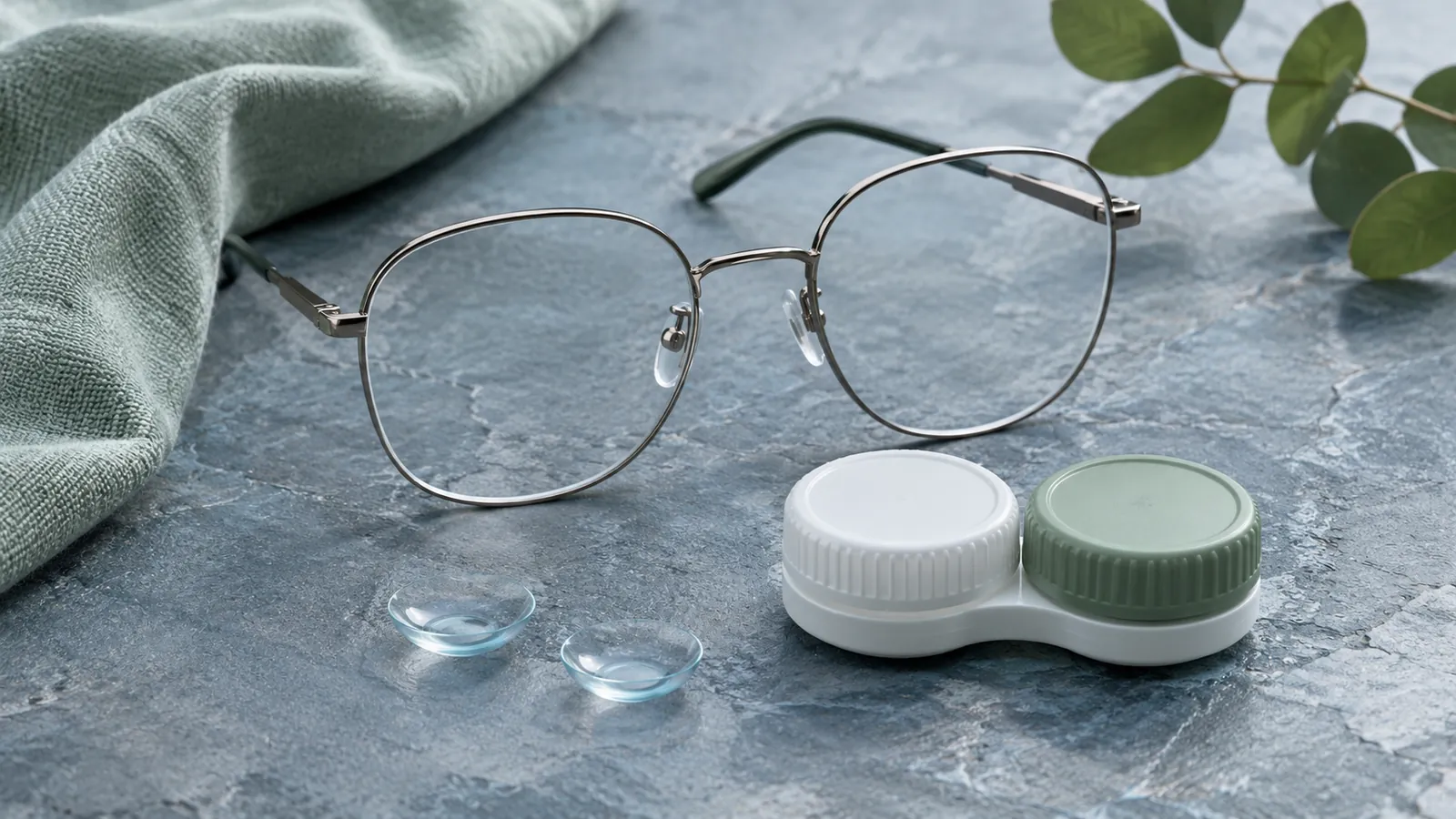
Glasses or contact lenses? The answer depends on your prescription, your activities and what your eyes can tolerate. Knowing the advantages and limits of each option helps you decide what you want before considering surgery. The centre's practitioners fit soft and rigid lenses themselves. Contact lenses are an alternative you can discuss at your assessment.
Comparing the options
| Glasses | Soft contact lenses | Rigid gas-permeable contact lenses | |
|---|---|---|---|
| Quality of vision | Very good, though glasses for high myopia narrow your field of view and make objects look smaller | Good, with less stable vision if astigmatism is substantial | Best for strong prescriptions and irregular corneas |
| Comfort | Immediate comfort, with potential drawbacks including weight, fogging and reflections | Comfortable as soon as you put them in | One to two weeks to adjust |
| Sport | Limited use in contact sports or sports such as skiing | Very suitable except for water sports | May shift during contact sports |
| Risk of infection | None | Low but real, especially if you sleep in them | Lowest among contact lenses worn only during the day |
| Care | Simple cleaning | None for daily disposables. Other lenses need solutions and a case | Specific solutions. Lenses last several months |
| Cover | Partial reimbursement depending on age and supplementary health insurance (mutuelle) | Limited reimbursement, often a fixed allowance from supplementary insurance | Similar, with better cover for certain medical indications |
What we know about contact lens risks
Contact lenses are safe medical devices when used correctly. Because they sit on the cornea, they can increase the risk of an infection called microbial keratitis. A large Australian study published in 2008 measured this risk.
- About 1 to 2 cases per 10 000 wearers a year among people wearing soft or rigid lenses only during the day.
- More than 20 cases per 10 000 wearers a year among people who sleep in silicone hydrogel lenses.
- Sight loss in about 0.6 cases per 10 000 wearers.
In other words, sleeping in contact lenses increases the risk around tenfold. Water is the other major factor. Showering, swimming in a pool or lake, or rinsing your case under the tap can expose you to Acanthamoeba, an amoeba that causes serious infections. Swimming in contact lenses: precautions to know
Wash your hands before handling lenses. Never rinse the case or lenses with water, replace the case each month and stick to the recommended wearing time. Remove the lenses as soon as an eye becomes red or painful.
When rigid and scleral lenses are used
Rigid contact lenses remain the standard option for some irregular corneas, such as in keratoconus, because they create a regular optical surface in front of the cornea. Scleral lenses are larger and rest on the white of the eye, holding a reservoir of fluid over the cornea. They may be offered for very irregular corneas, after a transplant or for some cases of severe dry eye. Scleral lenses, on annecy-ophtalmo.fr
When to consider alternatives to glasses and lenses
Refractive surgery may be worth discussing in several situations.
- increasing difficulty tolerating contact lenses, often associated with dry eye
- an activity for which glasses cannot be worn and contact lenses pose a risk, such as water sports or working in dusty environments
- repeated infections while wearing contact lenses
- high myopia where glasses substantially narrow your field of view.
Well-fitted glasses or contact lenses may still be the best option if, for example, your cornea is thin or irregular, your prescription is unstable, or the expected benefits do not justify surgical risks. Three types of corneal surgery
In summary. Glasses carry no risk of infection, while contact lenses offer more freedom and a wider field of view. Infection is the main risk with contact lenses. Sleeping in lenses raises that risk around tenfold, and any contact with water also increases it. Rigid and scleral lenses are useful options for irregular corneas.
Frequently asked questions
Can you buy contact lenses without a prescription?
In France, you need a prescription for corrective contact lenses. A professional must first fit them to choose the right curvature and diameter for your cornea.
Are daily disposable lenses safer?
They remove the risks associated with cases and cleaning solutions, an important benefit. The risks of sleeping in lenses or exposing them to water still apply.
Do I need to stop wearing lenses before a refractive surgery assessment?
Yes. Allow at least one week for soft lenses and at least three weeks for rigid lenses. Contact lenses: what to tell your surgeon at the assessment
Book an appointment to review your prescription or learn about contact lens care on annecy-ophtalmo.fr.
Sources
Related reading
All news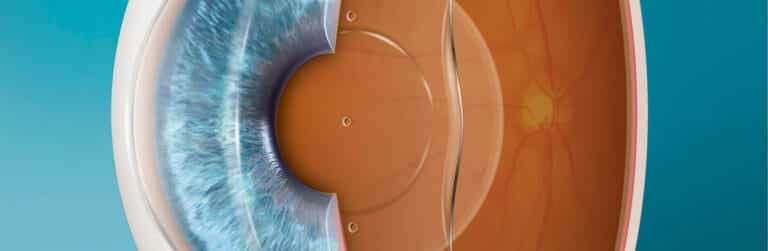
News
High myopia: phakic ICL as an alternative to laser surgery
Short-sightedness blurs distance vision while preserving near vision. It is common, becoming more prevalent and usually straightforward to correct. High myopia raises…
5 April 2025
News
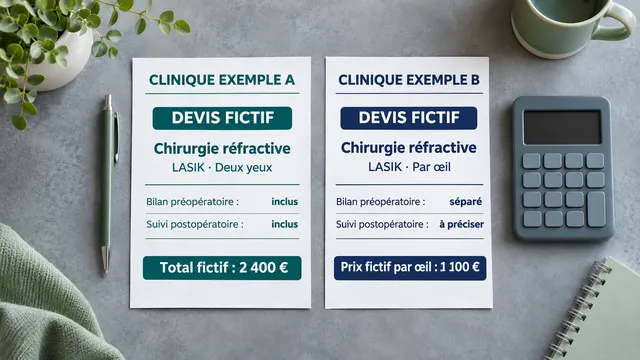
How to compare two quotes for refractive surgery
Refractive surgery is a significant expense and the French statutory health insurance scheme (Assurance maladie) rarely reimburses it. It makes sense to…
26 October 2026

News
What our patient satisfaction survey found
In October, we asked 66 patients who had undergone refractive surgery to complete a survey. We received 34 responses, a response rate…
29 October 2023
Have a question about your situation?
An assessment tells you what is and isn’t possible and allows you to get a quote.